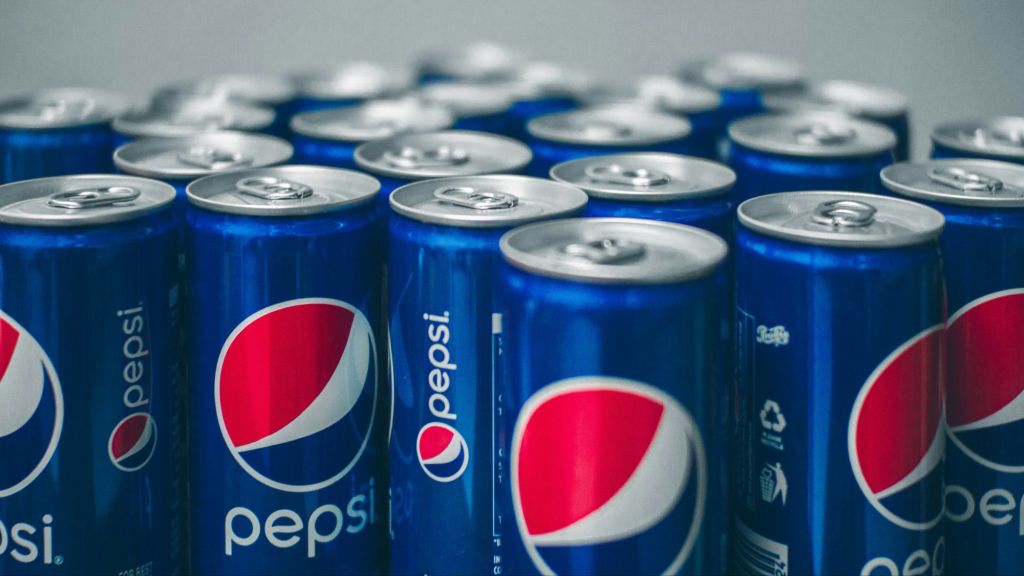
In the dynamic world of beverages, one brand has consistently stood out for over a century—Pepsi. With its bold, refreshing taste and powerful global presence, Pepsi has become more than just a carbonated drink. It’s a cultural icon, a symbol of youth and energy, and a brand that continues to evolve with time. From its humble beginnings in a small pharmacy to becoming a global favorite, Pepsi’s story is filled with innovation, resilience, and marketing brilliance. In this blog, we take a deep dive into the world of Pepsi, exploring its history, flavors, global impact, and why it remains a beloved beverage today.
The Humble Origins of Pepsi
Pepsi’s story began in 1893 in New Bern, North Carolina, where pharmacist Caleb Bradham created a drink he initially called “Brad’s Drink.” His aim was to make a refreshing beverage that also helped with digestion. The drink was made with a blend of kola nut extract, vanilla, sugar, and carbonated water.
In 1898, Bradham renamed the drink “Pepsi-Cola,” inspired by the word “dyspepsia” (meaning indigestion) and the cola nut flavor. The name captured both the functional and flavorful aspects of the drink. By 1902, Pepsi-Cola was officially registered as a trademark, and the Pepsi-Cola Company was born.
Early Struggles and Comeback
Despite gaining local popularity, the company faced bankruptcy in 1923 due to rising sugar prices after World War I. However, this was not the end. A businessman named Charles Guth saw potential in the brand, acquired it, and revamped its business strategy. He focused on affordability by introducing 12-ounce bottles of Pepsi for the same price as Coca-Cola’s 6-ounce bottles.
This pricing strategy proved successful during the Great Depression when consumers were looking for better value. With catchy jingles and smart marketing, Pepsi made a strong comeback and began expanding rapidly across the United States.
The Iconic Cola Rivalry: Pepsi vs. Coca-Cola
One of the most well-known brand rivalries in history is Pepsi versus Coca-Cola. These two giants have competed for consumer loyalty for decades, pushing each other to innovate and improve. Pepsi positioned itself as the youthful, energetic alternative to Coca-Cola’s classic image.
In the 1970s and 1980s, Pepsi introduced the “Pepsi Challenge,” a blind taste test campaign that claimed people preferred the taste of Pepsi over Coke. This bold move increased Pepsi’s popularity and intensified the “Cola Wars.” The rivalry continues today, with both brands constantly striving to capture market share through advertising, packaging, and flavor innovations.
Pepsi in Pop Culture
Pepsi has always had a strong presence in popular culture. Over the years, it has partnered with global celebrities, athletes, and musicians to promote the brand. Michael Jackson, Beyoncé, Britney Spears, David Beckham, and Kendall Jenner are just a few of the many stars who have been part of Pepsi’s advertising campaigns.
These high-profile endorsements helped Pepsi stay relevant to younger audiences and created iconic moments in advertising history. Pepsi’s commercials during major events like the Super Bowl are widely anticipated and discussed, further cementing its role in modern culture.
Flavors for Every Taste
Pepsi’s success is not only due to its classic taste but also its commitment to offering a wide range of products. Here are some of the popular Pepsi variants:
Diet Pepsi: A sugar-free version with fewer calories for health-conscious consumers.
Pepsi Max / Pepsi Black: Zero sugar and full flavor, often with higher caffeine content.
Pepsi Wild Cherry: A fruity twist on the original flavor.
Pepsi Mango: A tropical variant for those who enjoy something unique.
Pepsi Vanilla: A creamy, smooth version with a hint of vanilla.
In addition, Pepsi regularly introduces limited-edition flavors and seasonal variations to keep consumers engaged. These innovations cater to different tastes and preferences, ensuring there’s a Pepsi for everyone.
Global Expansion and Success
Pepsi is now available in over 200 countries and territories. Its global growth is driven by its ability to adapt to local cultures and preferences. Whether it’s customizing advertising campaigns, introducing region-specific flavors, or collaborating with local celebrities, Pepsi ensures that its brand remains appealing and relatable around the world.
PepsiCo, the parent company, also owns a variety of other successful brands such as Mountain Dew, Lay’s, Gatorade, Tropicana, Quaker Oats, and Doritos. This diversification has helped the company maintain a strong position in both the beverage and snack industries.
Sports Sponsorship and Branding
Pepsi’s involvement in sports is another key factor in its global appeal. The brand has sponsored major sports leagues and events, including the NFL, UEFA Champions League, NBA, and cricket tournaments in Asia. By associating itself with high-energy, competitive sports, Pepsi strengthens its image as a drink for the bold and active.
These sponsorships include stadium branding, merchandise, event advertising, and interactive social media campaigns. Sports fans around the world often see Pepsi as an integral part of their favorite games and teams.
A Focus on Health and Wellness
As consumers become more health-conscious, Pepsi has responded by expanding its range of low-calorie and sugar-free products. The introduction of Pepsi Black and Diet Pepsi reflects this shift. PepsiCo has also committed to reducing added sugars in many of its beverages and increasing the number of nutritious options in its portfolio.
In addition, PepsiCo supports public health campaigns and wellness initiatives that encourage healthier lifestyles. This shows that the company is aware of evolving consumer expectations and is willing to adapt.
Sustainability and Social Responsibility
Pepsi is also making strides in sustainability. PepsiCo is working to reduce its environmental impact through responsible sourcing, sustainable packaging, and water conservation. Some key initiatives include:
Developing recyclable and biodegradable packaging materials
Reducing plastic use in bottles and labels
Implementing water-saving technologies in manufacturing
Supporting local communities through education and health programs
These efforts reflect Pepsi’s long-term commitment to environmental stewardship and corporate responsibility.
Why Pepsi Remains a Global Favorite
So, what makes Pepsi stand out in a crowded beverage market?
1. Bold and Unique Taste: Pepsi’s slightly sweeter and citrusy flavor appeals to a wide audience.
2. Innovative Marketing: With creative advertising and celebrity partnerships, Pepsi always feels fresh and exciting.
3. Variety of Flavors: From original to sugar-free to fruity options, there’s something for every taste.
4. Cultural Connection: Whether it’s music, movies, or sports, Pepsi stays connected with what people love.
5. Global Accessibility: Pepsi is available almost everywhere, making it a trusted companion worldwide.
Conclusion: More Than Just a Soft Drink
Pepsi’s journey from a small-town pharmacy invention to a global beverage powerhouse is a story of innovation, resilience, and deep cultural influence. It’s more than just a soft drink—it’s a brand that has shaped generations, created iconic moments, and brought people together across the globe.
Whether you’re sipping it at a family gathering, watching your favorite team play, or dancing at a concert, Pepsi delivers more than refreshment—it delivers an experience. With its bold spirit and commitment to evolution, Pepsi is sure to remain a favorite for many generations to come.
What’s your favorite Pepsi flavor or memory? Let us know in the comments

 productpuls.com